

Written by Delia Brows Studio

💎  Professional beautician specialized in rejuvenation, facial diagnosis, aesthetic equipment and advanced skin care. Recommendations, guides and products with backup dermatological and visible results. Also certified in micropigmentation and therapeutic massage, integrating well-being, advanced equipment and comprehensive aesthetics. 
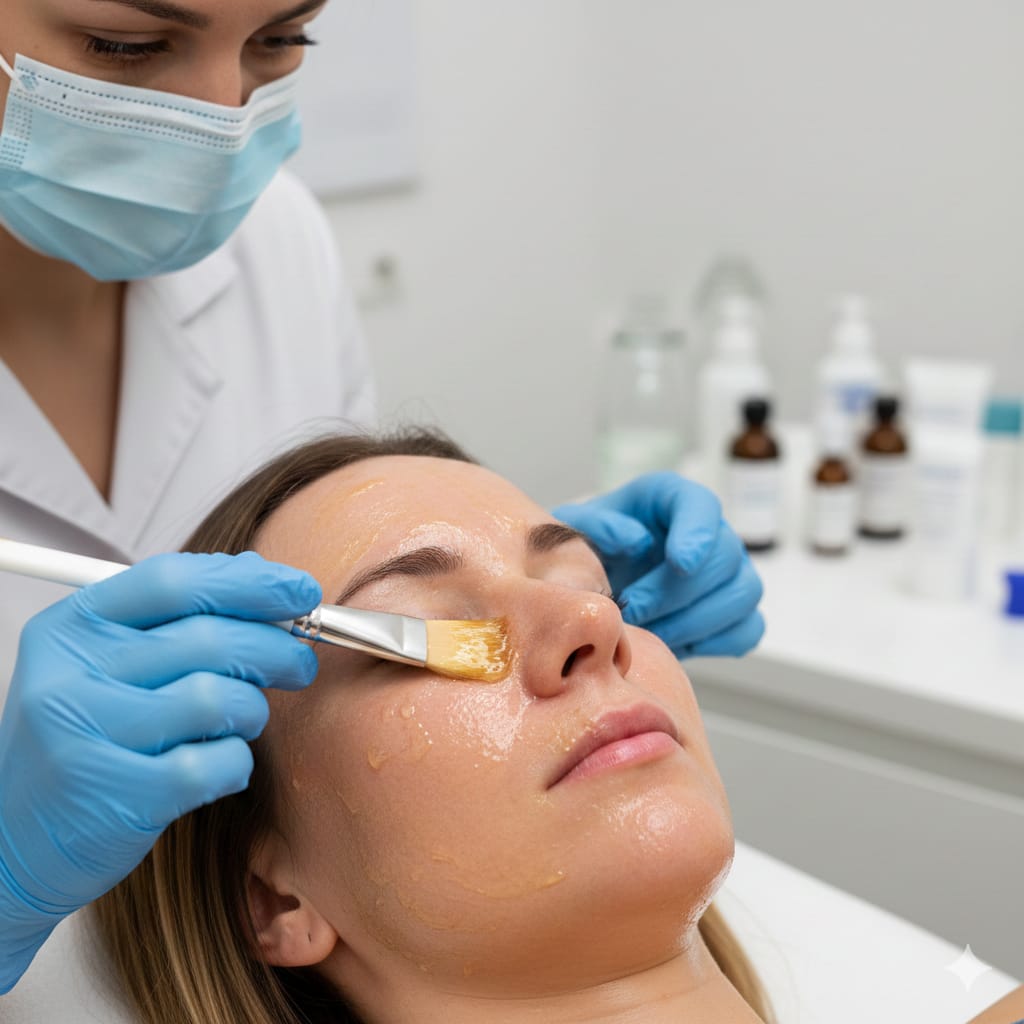
The success of a professional chemical peel does not depend solely on the acid used, the concentration or the exposure time. From the dermatological point of view, the true result of the peeling is defined in the days following the procedure. An incorrect post-peeling routine is the main cause of post-inflammatory hyperpigmentation, prolonged irritation, acne rebounds and skin barrier damage, especially in Latin skins and high (III–VI) phototypes.

Numerous studies and dermatological consensus agree that up to 70 % of the complications associated with chemical peelings originate in aftercare, not during application. This makes the patient's education and the correct product indication as important as the peeling itself.

This article details, in a medically accurate way, what should include a professional post-peeling routine, what practices should be strictly avoided and why these measures are essential to prevent stains and optimize results

What happens on the skin after a chemical peeling?

After a chemical peel, even a superficial one, the skin goes through a controlled physiological process that includes:
• Exfoliation of the stratum corneum
• Increased transepidermal water loss (TEWL)
• Activation of inflammatory mediators
• Greater sensitivity to UV radiation and visible light
• Temporarily compromised skin barrier
In skins with greater melanocytic activity, this inflammatory state can activate excessive melanin production if not properly controlled. Therefore, post-peeling is not a cosmetic phase, but therapeutic.

Real goals of the post-peeling routine
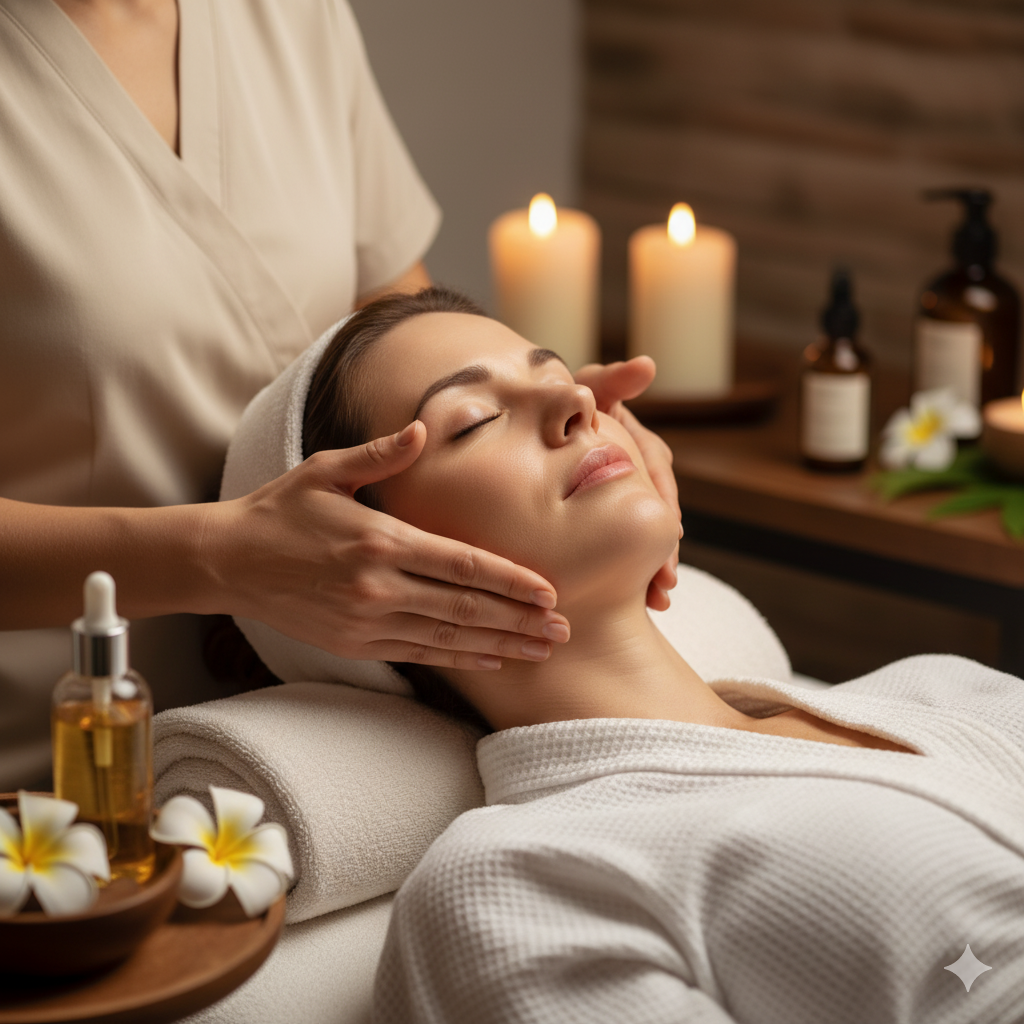
A professional post-peeling routine must meet four clear clinical goals:
1. reduce inflammation
2. repair skin barrier
3. Prevent post-inflammatory hyperpigmentation
4. Protect skin from UV radiation and visible light
Any product or practice that does not contribute to these objectives should be avoided.


What to do after a professional peeling

1. Strict and correct photoprotection (the most important point)
The photoprotection is non-negotiable after a peeling. Newly exfoliated skin is extremely vulnerable.
Medical recommendations:
• SPF 50+ broad-spectrum sunscreen
• Prefer physical or combined filters
• Include iron oxides to protect from visible light
• Reapply every 2–3 hours if exposure
Clinical evidence shows that visible light induces hyperpigmentation especially in high phototypes, even in the absence of direct sun.
✔ Ideal:
• Sunscreens with color
• Post-procedure medical photoprotectors
2. Intensive repair hydration
After a peeling, the skin barrier loses essential lipids. This favors irritation and stains if not repaired.
Recommended assets:
• Ceramides
• Cholesterol
• Fatty acids
• panthenol
• Hyaluronic acid
• Squalane
These assets help:
• Decrease TEWL
• Restore the barrier function
• Reduce subclinical inflammation
3. Use of calming and anti-inflammatory active ingredients
Reducing inflammation is key to preventing spots.
Post-peeling safe assets:
• Niacinamide (≤5 %)
• Pure aloe vera
• Colloidal oats
• Allantoin
• Madecassoside
These ingredients modulate the inflammatory response without interfering with skin regeneration.
4. Smooth and controlled cleaning
During the first 5–7 days, cleaning should be extremely mild.
✔ Recommended:
• Sulphate-free cleaners
• Physiological pH
• Cream or soft gel textures
• No fragrance
Aggressive cleansing prolongs inflammation and delays recovery.
5. Professional monitoring and patient education
Follow-up is essential, especially in skins with a history of spots.
• Re-evaluate the skin before introducing active ingredients
• Adjust routine according to response
• Strengthen the importance of sunscreen


What not to do after a peeling (mistakes that cause spots)

❌ 1. Do not use retinoids immediately
Early use of retinoids is one of the leading causes of post-peeling irritation.
Avoid by:
• 5–7 days in superficial peelings
• 10–14 days if there was visible desquamation
Introducing them earlier increases the risk of hyperpigmentation.
❌ 2. Do not exfoliate the skin
This includes:
• Scrubs
• Brushes
• Sonic devices
• Cosmetic acids
The skin is already in the process of renewal. Exfoliating it again is a serious mistake.
❌ 3. Do not expose yourself to the sun “even if it's a little while”
There is no safe post-peeling exposure without adequate protection.
Common mistakes:
• “I only went to the car”
• “It was cloudy”
• “I didn't feel hot”
The radiation acts even without a wind chill.
❌ 4. Do not use scented or irritating products
Avoid completely:
• Fragrances
• Drying alcohols
• Essential oils
• menthol
• eucalyptus
These ingredients increase subclinical inflammation.
❌ 5. Do not tear off skin
Desquamation is a physiological process.
manipulate it:
• Increases inflammation
• Can leave marks
• Increases risk of infection


When to reintroduce depigmenting assets?

Once the skin is:
• No ardor
• No flake
• With stable barrier
They can be gradually entered:
• Azelaic acid
• Niacinamide
• Tranexamic acid
• Mild vitamin C
Always under supervision and progressively.


Special importance in Latin skins and high phototypes
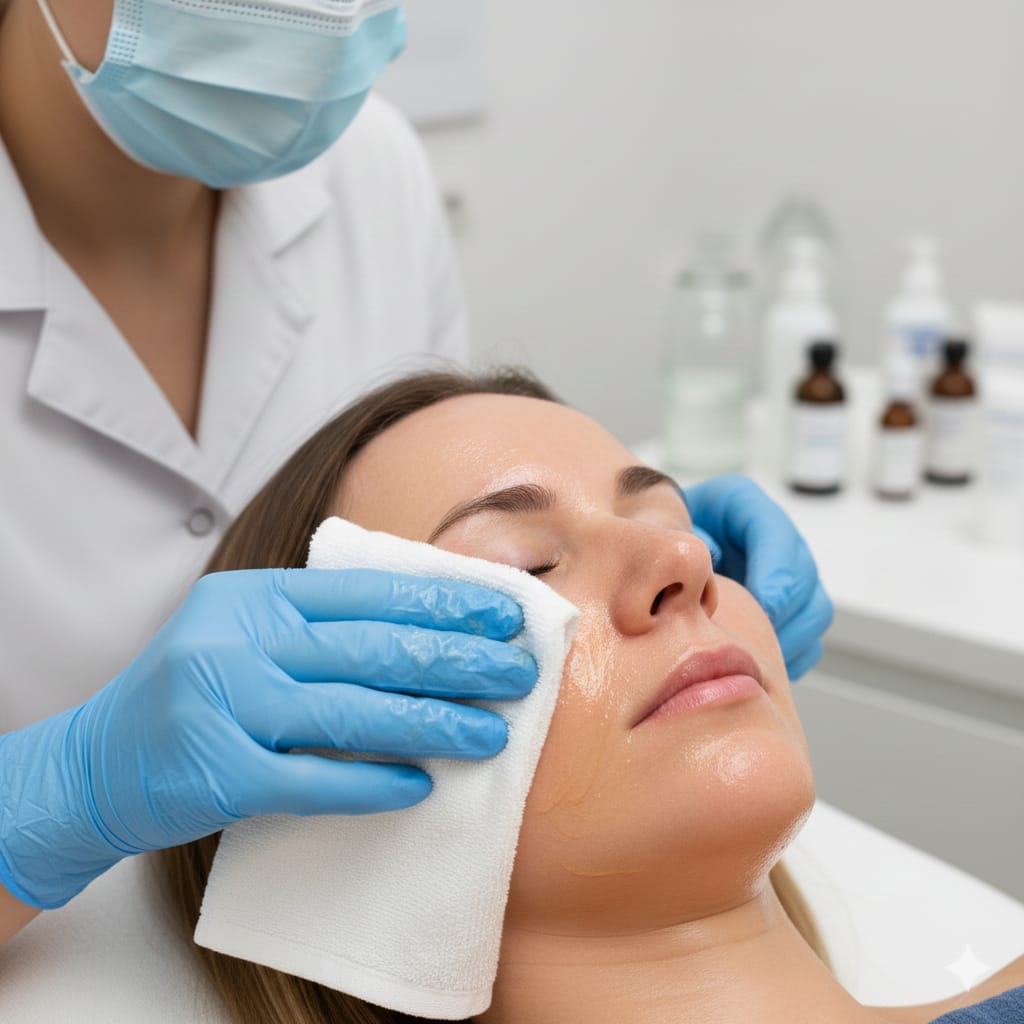
On skin with greater melanin:
• Minimal inflammation can cause severe spots
• Prevention is more effective than correction
• Post-peeling defines the actual success of the treatment
Therefore, aftercare should not be minimized or simplified.
 
conclusion
A correct professional post-peeling routine is the difference between a successful treatment and an avoidable complication. The dermatological evidence is clear: most post-peeling spots are caused by errors in aftercare, not the acid used.
Educating the patient, choosing suitable products and respecting recovery times allows to obtain visible, safe and lasting results, even in Latin skins and high phototypes

Related Articles

No Results Found

The page you requested could not be found. Try refining your search, or use the navigation above to locate the post.

Become a certified expert in smart microneedling

Access to my premium course

Learn to master the most advanced facial rejuvenation technique adapted to Latin skins.

subscribe to my list

I only commit to sending you a quality email monthly 


Follow us

Follow me on all my social networks 

0
    0
    your cart
    Your Cart is emptyreturn to shop