Written by Delia Brows Studio

💎  Professional beautician specialized in rejuvenation, facial diagnosis, aesthetic equipment and advanced skin care. Recommendations, guides and products with backup dermatological and visible results. Also certified in micropigmentation and therapeutic massage, integrating well-being, advanced equipment and comprehensive aesthetics. 

Latina skins and high phototypes (IV, V and VI according to Fitzpatrick classification) represent a skin group with unique characteristics that require specific clinical management, especially when it comes to procedures such as chemical peelings. Although these skins have natural advantages—such as higher melanin content and slower aging—they also present a significantly higher risk of post-inflammatory hyperpigmentation (HPI) when treatments are not done correctly.

In recent years, the increase in chemical peelings in the aesthetic booth and dermatological consultations has been accompanied by an increase in cases of persistent spots, pigmentary rebounds and chronic sensitization, especially in Latin patients. The cause is not usually the peeling itself, but preventable errors in the selection of acid, concentration, protocol and aftercare.

This article explains, from a solid medical base, how to safely perform peeling on Latin skins, what are the most common mistakes that cause spots, and how to avoid them for visible results without compromising skin integrity.

What characterizes Latin skins and IV–VI phototypes?

From the dermatological point of view, Latin skins usually correspond to phototypes III to V, although many clearly enter IV and V. These skins feature:
 
• Greater melanocytic activity
• Larger and evenly distributed melanosomes
• More intense inflammatory response to aggression
• Increased tendency to post-inflammatory hyperpigmentation
• Lower risk of visible erythema, which can mask damage
 
It is important to clarify a key point: melanin does not protect against inflammation, only against part of UV damage. Therefore, although these skins “do not look red”, they may be suffering deep aggression.

Why can peelings cause spots on these skins?

Post-inflammatory hyperpigmentation occurs when an inflammatory stimulus excessively activates melanocytes, causing an irregular deposit of melanin in the epidermis or superficial dermis
In poorly performed peelings, the most common triggers are:
 
• Excessive inflammation
• Post-treatment UV exposure
• Use of inadequate acids or high concentrations
• Lack of skin preparation
• Excessive repetition of the procedure
 
In high phototypes, minimal inflammation can result in a strong, persistent stain.

Safer acids for Latin skin (clinical evidence)

Not all peelings are the same and all acids behave the same on skins with high melanin.
 
acids considered safer
mandelic acid
• High molecular weight AHA
• Slow and controlled penetration
• Less risk of irritation
• Solid evidence in phototypes IV–VI
• Ideal for acne, mild spots and sensitive skin.
 
lactic acid
• Gentle moisturizing and exfoliating
• Stimulates renewal without intense inflammation
• Useful in progressive protocols
 
Salicylic acid (≤2 %)
• Safe when used at low concentrations
• Excellent for acne on oily Latin skin
• Natural anti-inflammatory
• Time must be strictly controlled
Azelaic acid
• Not a classic peel, but it is fundamental in combined protocols
• Inhibits tyrosinase
• Reduce inflammation and risk of HPI

Acids that require extreme caution

glycolic acid
• High penetration
• Increased risk of irritation
• Can be used only in low concentrations and with experience.
 
CT
• High risk of spots
• Only under medical supervision
• Not recommended in aesthetic booth for tall photographs.


Common bugs that cause spots (and how to avoid them)

❌ Mistake 1: Do not prepare the skin before peeling
Skin preparation is mandatory on Latin skins.
Frequent errors:
• Apply peeling to skin with altered barrier
• Do not use melanin inhibitors beforehand
• Ignore the previous use of photo protection.
✔ Correction:
• Prepare the skin 2 to 4 weeks before
• Use of azelaic acid, niacinamide, antioxidants
• Mandatory daily photoprotector
❌ Error 2: Thinking that “if it doesn't burn, it doesn't work”
This is one of the most harmful myths
In Latin skins:
• Severe burning = inflammation
• Inflammation = high risk of spots
amendment :
• Prioritize progressive peelings
• Cumulative, non-aggressive results
• Evaluate response, without intensity
Error 3: Exceed the exposure time
One more minute can make the difference between a good result and a persistent hyperpigmentation.
amendment :
• Start with short times (3–5 minutes)
• Increase only if the skin tolerates it
• Never rely on “prior experience” only.”
Error 4: Repeat peeling too often
Melanin needs time to stabilize.
CORRECTION:
• Intervals from 15 to 21 days
• Evaluate the skin in each session
• Strap before any sign of persistent irritation.
Mistake 5: Neglect the post treatment
The largest number of spots appears later, not during peeling.
Common mistakes:
• Do not apply sunscreen
• Early use of retinoids or scrubs
• Indirect sun exposure without protection
CORRECTION:
• Strict photo protection SPF 50+ with iron oxides
• Repairing hydration
• Avoid aggressive assets at least 7 days

The key role of visible light in Latin skins
Recent studies show that visible light, not just UV rays, stimulates pigmentation in high phototypes.
 
That's why:
• Sunscreens must include iron oxides.
• Color makeup can be protective.
• Display exposure also counts
This point is critical and often ignored.
Recommended clinical protocol (summary)
1. Evaluation of the phototype and background of spots
2. Preparation of the skin
3. Safe acid selection
4. Conservative exposure time
5. adequate retirement
6. post repair treatment
7. Protocol Tracking and Adjustment
conclusion
Chemical peels are safe on Latin skins and IV–VI phototypes, provided they are done with knowledge, respect for skin physiology and adapted protocols. Most spots are not inevitable, but a consequence of preventable errors.
The key is not in aggressiveness, but in clinical precision, progression and post-treatment accompaniment. When done correctly, peeling not only improves acne and texture, but can safely and sustainably reduce hyperpigmentation.

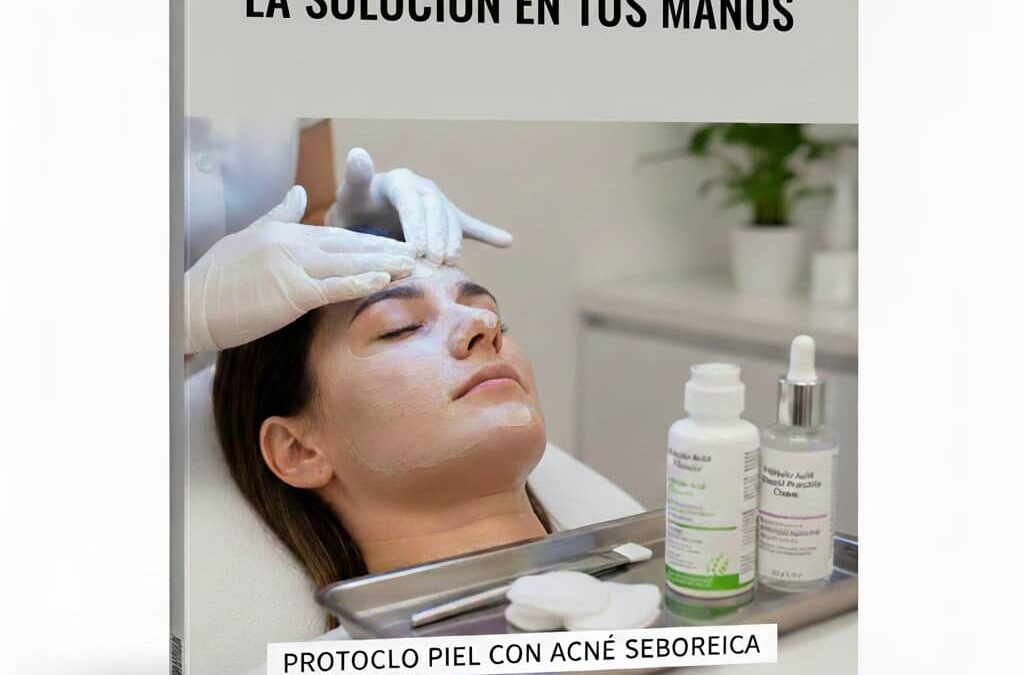
Digital Course:

Related Articles

No Results Found

The page you requested could not be found. Try refining your search, or use the navigation above to locate the post.

Become a certified expert in smart microneedling

Access to my premium course

Learn to master the most advanced facial rejuvenation technique adapted to Latin skins.

subscribe to my list

I only commit to sending you a quality email monthly 


Follow us

Follow me on all my social networks 

0
    0
    your cart
    Your Cart is emptyreturn to shop