
Written by Delia Brows Studio
 Professional beautician specialized in rejuvenation, facial diagnosis, aesthetic equipment and advanced skin care. Recommendations, guides and products with backup dermatological and visible results. Also certified in micropigmentation and therapeutic massage, integrating well-being, advanced equipment and comprehensive aesthetics.
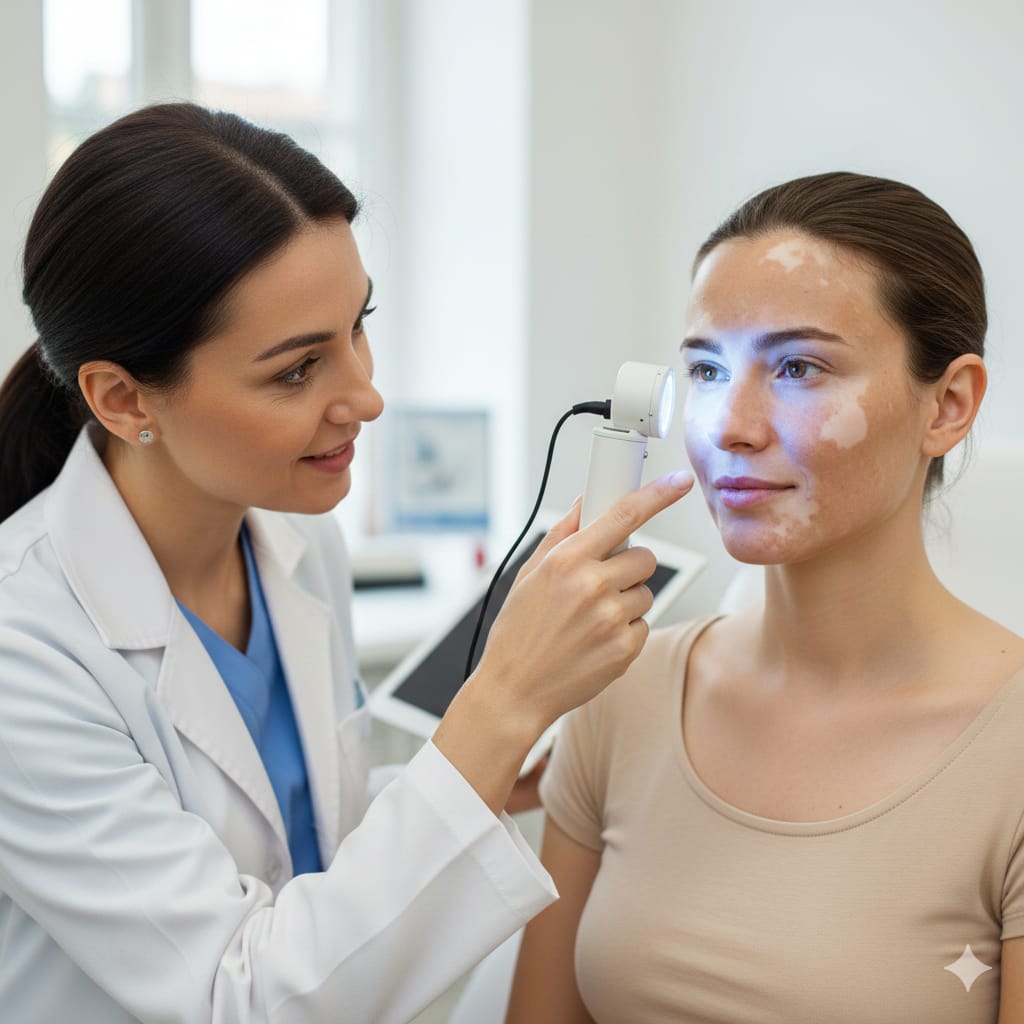
In consultation (and in the booth) it happens all the time: a person arrives saying “I have melasma”, but in reality he has post-inflammatory hyperpigmentation, solar lentigos, contact dermatitis or even a drug stain. The problem of being wrong is not just the name. The problem is that if you treat like melasma what is not melasma, you can make the stain worse: more pigment, more irritation, rebound and slow or no results.
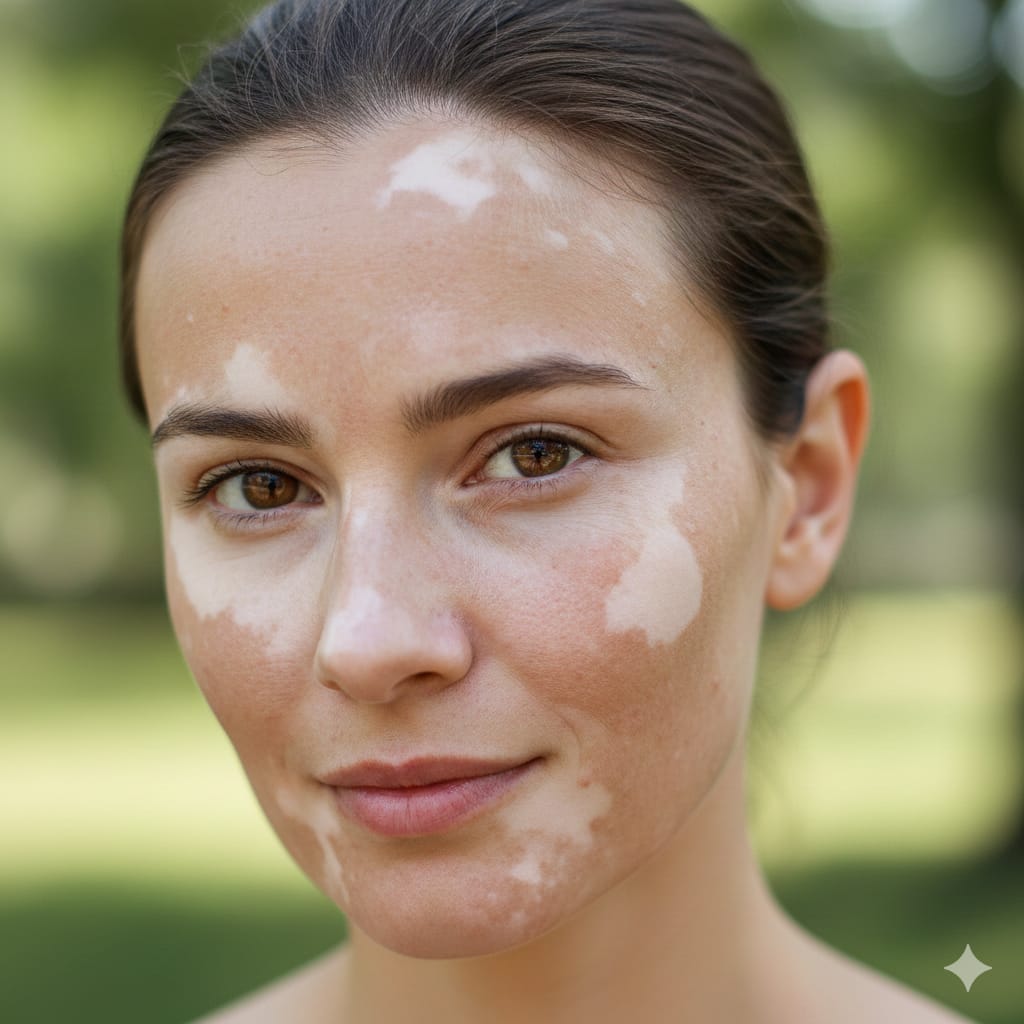
Melasma is a real and frequent condition, with brown-grey patches, especially on the cheeks, forehead, upper lip and jaw. Still, it can be confused with many other hyperpigmentations, which is why dermatologists insist on a correct diagnosis.
This guide teaches you, with a solid clinical basis, which spots are not melasma, how to recognize them by their pattern, background and evolution, and what common mistakes make a spot become darker and more difficult.
Quick note: This is clinical and aesthetic education. For definitive diagnosis or if there are doubts/rare injuries, the correct thing is dermatology.
First: What is Melasma (for comparison)?
melasma = acquired hyperpigmentation (non-contagious) that usually appears as symmetrical patches in areas of photoexposure (mainly face). It is related to UV light and also visible light, and can be associated with hormones (pregnancy, contraceptives) and genetic predisposition.
Typical melasma keys:
The golden rule: if there is inflammation, the risk of staining rises
In high phototypes (very common in Latin skin), post-inflammatory hyperpigmentation is more common.
That means that even though the final diagnosis is melasma, what makes it almost always worse is inflammation + light.
Photoprotection that does prevent “rebounds” (UV + visible light)
Related Articles
Safe peelings on Latin skins and IV–VI phototypes: common errors that cause spots
Professional beautician specialized in rejuvenation, facial diagnosis, aesthetic equipment and advanced skin care. Recommendations, guides and products with dermatological support and visible results. Also certified in micropigmentation and massage...

Protocol for combination skins «a perfect balance»
By caring for your skin, you not only enhance your outer beauty, but also nourish your inner well-being. Enjoy self-care and watch your skin bloom over time. Your skin deserves the best! For better care, we offer you this skin protocol...
No Results Found
The page you requested could not be found. Try refining your search, or use the navigation above to locate the post.
Become a certified expert in smart microneedling
Access to my premium course
Learn to master the most advanced facial rejuvenation technique adapted to Latin skins.
subscribe to my list
I only commit to sending you a quality email monthly
Follow us
Follow me on all my social networks