
Written by Delia Brows Studio

💎  Professional beautician specialized in rejuvenation, facial diagnosis, aesthetic equipment and advanced skin care. Recommendations, guides and products with backup dermatological and visible results. Also certified in micropigmentation and therapeutic massage, integrating well-being, advanced equipment and comprehensive aesthetics. 
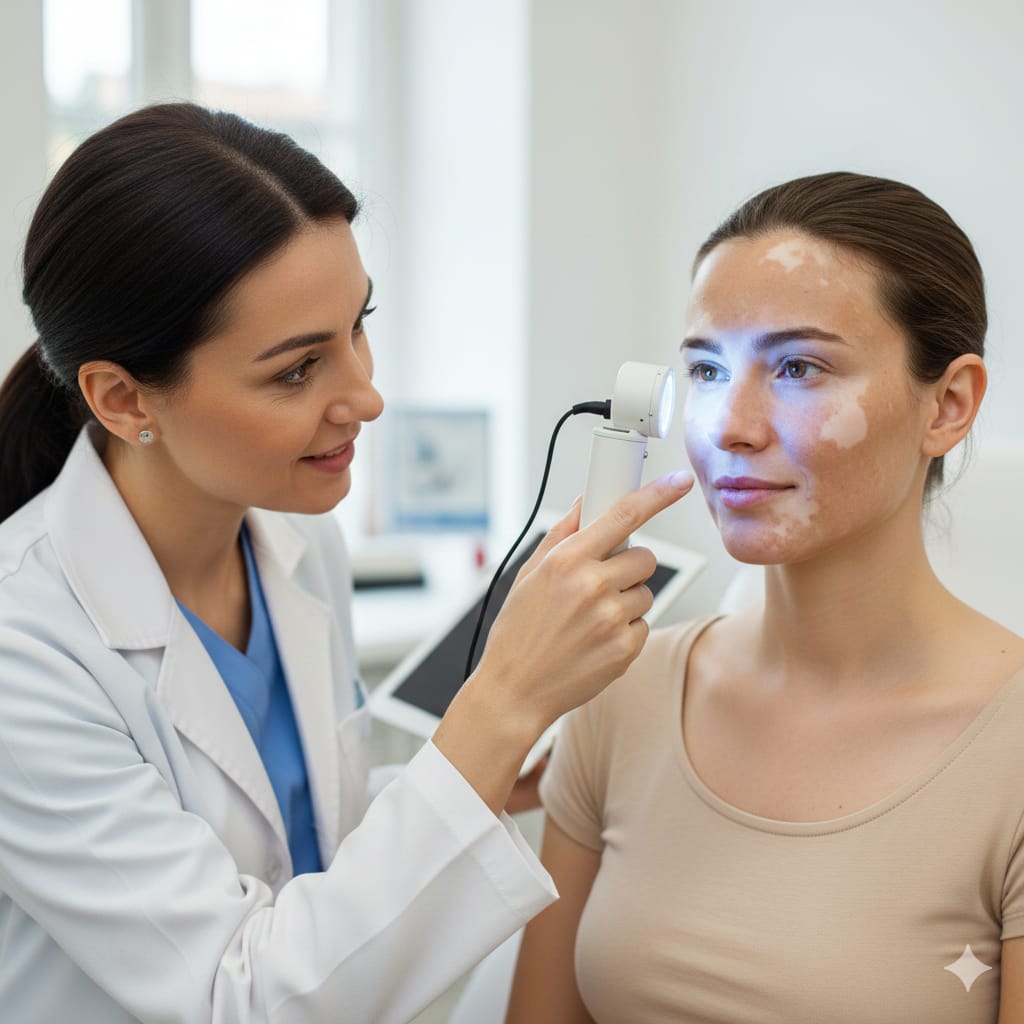
In consultation (and in the booth) it happens all the time: a person arrives saying “I have melasma”, but in reality he has post-inflammatory hyperpigmentation, solar lentigos, contact dermatitis or even a drug stain. The problem of being wrong is not just the name. The problem is that if you treat like melasma what is not melasma, you can make the stain worse: more pigment, more irritation, rebound and slow or no results.

Melasma is a real and frequent condition, with brown-grey patches, especially on the cheeks, forehead, upper lip and jaw. Still, it can be confused with many other hyperpigmentations, which is why dermatologists insist on a correct diagnosis. 

This guide teaches you, with a solid clinical basis, which spots are not melasma, how to recognize them by their pattern, background and evolution, and what common mistakes make a spot become darker and more difficult.

Quick note: This is clinical and aesthetic education. For definitive diagnosis or if there are doubts/rare injuries, the correct thing is dermatology.

First: What is Melasma (for comparison)?

melasma = acquired hyperpigmentation (non-contagious) that usually appears as symmetrical patches in areas of photoexposure (mainly face). It is related to UV light and also visible light, and can be associated with hormones (pregnancy, contraceptives) and genetic predisposition. 

Typical melasma keys:
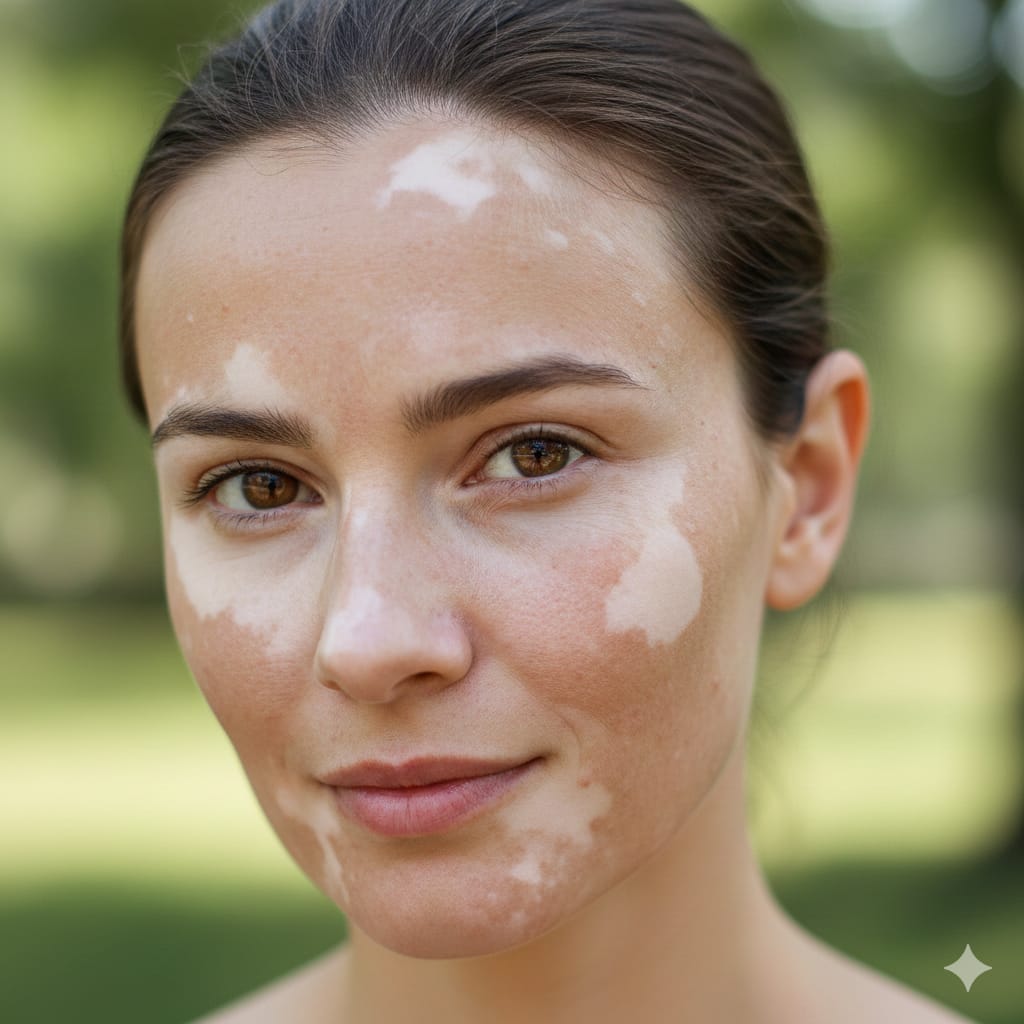
Patches (not dots), relatively “diffuse” edges”
• Symmetry (Left and Right Similar)
• Wors with sun/light
• Slow improvement, frequent relapses if no photo protection serious
Now yes: the important thing.
1) Post-inflammatory hyperpigmentation (HPI or PIH): the great imitator
how does it look
• Brown (sometimes greyish) spots right where there was inflammation or injury
• Can be in the form of a “map” (irregular patches) or spot marks
• Very common after: acne, aggressive hair removal, dermatitis, burns, poorly tolerated peeling, poorly indicated laser, constant friction
How it differs from melasma
• Does not need symmetry
• His story always tells: “I got it after pimples / irritation / wax / peeling / rubbing”
• Often there are several spots with different shades “in different stages”
HPI is more prevalent in IV to VI phototypes because melanocytes are more reactive to inflammation.
HPI worsening error
Treat it like melasma aggressively (strong peelings, friction, repeated exfoliation) without controlling inflammation and without photoprotection: that feeds the pigment.
2) Solar lentigos (“Sun spots”): defined points that are not erased
how they look
• “Large Freckles” or “Round Spots”
• Well-defined edges
• Light brown to dark color
• Typical areas: cheekbones, temples, forehead, back of hands
How it differs from melasma
• Lentigo is usually an isolated lesion or several “moneditas”
• Sharp edges, not diffuse patch
• Does not depend so much on hormones; depends on damage accumulated by sun
Dermnet describes the lentigo as a flat or slightly raised lesion with a clearly defined edge and, unlike freckles, it does not “go” in winter.
huddle
Apply only “soft” depigmenting hoping that will disappear like melasma: lentigos respond differently and often require specific strategies (always with medical/professional criteria depending on the case).
3) Freckles (efelids): they darken and clear with seasons
how they look
• Small light brown dots
• Increase in summer, improve in winter
• They appear from youth, sometimes childhood
key difference
• They are more seasonal and genetic
• Not wide “mask” patches like melasma
huddle
Overtreating freckles as if they were “severe melasma”: the skin is irritated and HPI can be fired on top of it.
4) Contact dermatitis / Chronic irritation: Spot + Sensitivity
This happens a lot with:
• Perfumes
• Essential oils
• Internet “miracle” creams
• Rub with towels/brushes
• Repeated hair removal
• Makeup or irritating protector
how does it look
• The skin usually itchy, burn or be “rough”
• There is previous or intermittent redness (in high phototypes it may not look red, but it feels)
• Irregular spots, sometimes around mouth/eyes
error that gets worse
Put acids on an irritated skin “to lighten fast”. Typical result: More inflammation → More pigment (HPI).
5) Drug-induced hyperpigmentation: when the origin is “inside”
Some medications can induce pigmentation. It's not “Melasma” even if it looks like a spot. DERM NET includes drug hyperpigmentation within the melasma differential.
Keys to suspicion
• Temporary start after starting a drug (months)
• Sometimes gray/blue coloring
• Non-classic distribution of melasma or more “diffuse” in body as well as face
huddle
Insist with peelings and depigmenters without investigating clinical history. Here management may require medical coordination.

6) Acquired Dermal Macular Hyperpigmentation (ADMH) and “dermal pigmentation”: deeper spots
DermNet mentions “Acquired Dermal Macular Hyperpigmentation” as a diagnosis that may seem melasma.
How it looks (Guidance)
• Gray-brown spots
• Sometimes on the cheekbones/jaw/neck
• Tend to be more persistent and difficult
clinic
If “nothing works” and the spot has a grayish tone, there may be a deeper (dermal) component. This changes expectations: slower results and extreme care not to inflame.
7) Ota nevus/Hori nevus: blue-gray pigment (not melasma)
They also appear in the DermNet differential for Melasma.
clues
• Blue/gray tone
• More localized (for example periocular/temporal zone)
• Long course, does not “go out” like melasma
Here it is key to derive: the management is usually a doctor with a specific laser, and in Latin skin you have to be especially prudent.

The golden rule: if there is inflammation, the risk of staining rises

In high phototypes (very common in Latin skin), post-inflammatory hyperpigmentation is more common.
That means that even though the final diagnosis is melasma, what makes it almost always worse is inflammation + light.

Photoprotection that does prevent “rebounds” (UV + visible light)
For spots (Melasma, HPI, Lentigos), the sunscreen should cover:
• UVB/UVA (wide spectrum)
• And, in Latin skin with a tendency to spots, coverage against visible light is convenient, where iron oxides (dye) have shown protection against pigmentation induced by visible light in high phototypes.  
Practical translation:
• SPF 50+ daily
• Prefer color protector / tinted (for iron oxides)
• Reapply if there is exposure

Related Articles

Protocol for sensitive skin “Defense and ideal care”

Protocol for sensitive skin “Defense and ideal care”

Your skin deserves attention and affection. Don't let sensitivity limit your beauty. This protocol has been designed with soft, effective and highly nourishing ingredients that provide relief and comfort even to the most delicate skins. Every step of this protocol...

No Results Found

The page you requested could not be found. Try refining your search, or use the navigation above to locate the post.

Become a certified expert in smart microneedling

Access to my premium course

Learn to master the most advanced facial rejuvenation technique adapted to Latin skins.

subscribe to my list

I only commit to sending you a quality email monthly 


Follow us

Follow me on all my social networks 

0
    0
    your cart
    Your Cart is emptyreturn to shop