
Written by Delia Brows Studio
 Professional beautician specialized in rejuvenation, facial diagnosis, aesthetic equipment and advanced skin care. Recommendations, guides and products with backup dermatological and visible results. Also certified in micropigmentation and therapeutic massage, integrating well-being, advanced equipment and comprehensive aesthetics.

Keeping the stomach flat is not just an aesthetic issue. The accumulation of abdominal fat, especially visceral fat, is related to increased risk of cardiovascular disease, type 2 diabetes and chronic inflammation. Also, many people mistake fat with abdominal distension, leading to wrong solutions.
This article explains what really works to achieve and maintain a flatter abdomen, from nutrition and exercise to sleep and stress management, all based on scientific evidence.
Differentiate abdominal fat from swelling
Energy balance: the base of the flat stomach
Importance of protein in food
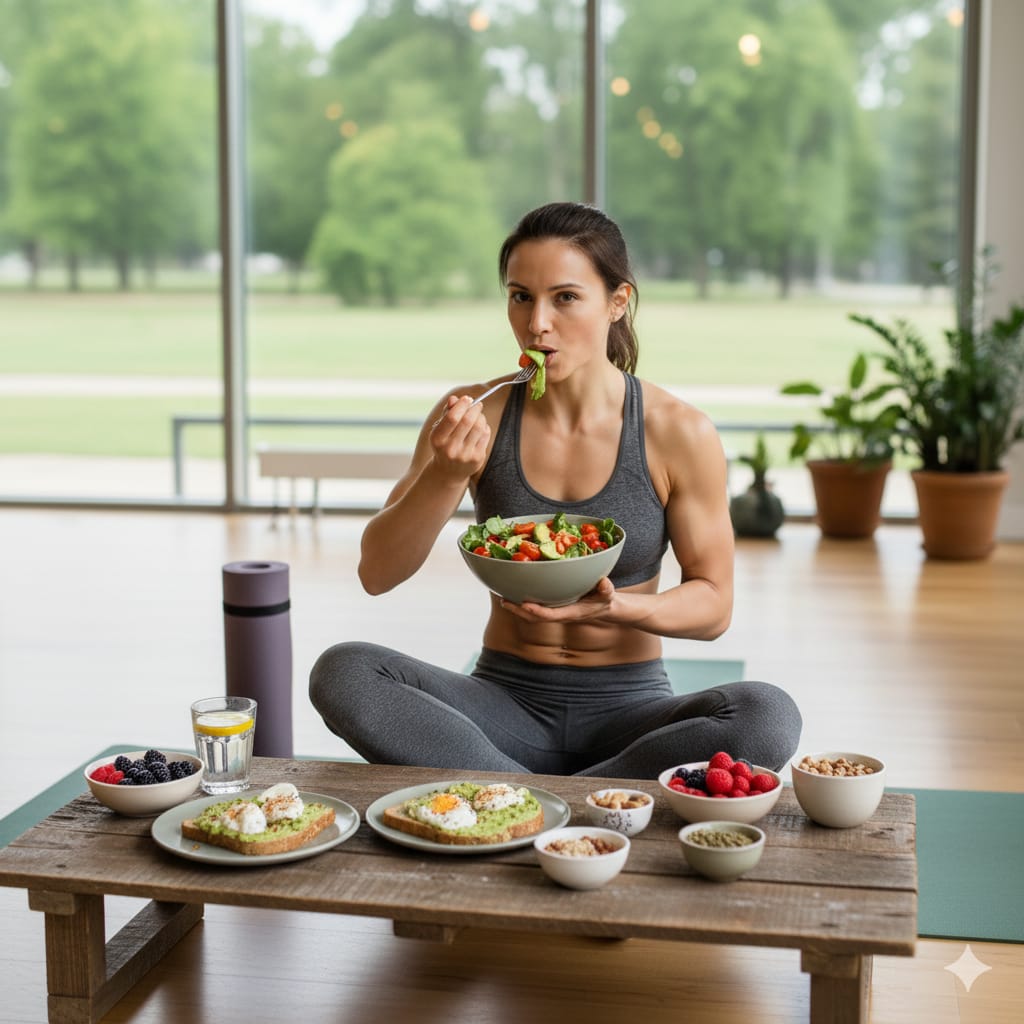
Fiber and Gut Health
Reduce ultra-processed foods
Ultra-processing favors excessive consumption of calories and inflammation. Replacing them with real foods improves digestion and facilitates a flatter abdomen.
Best option: fruits, vegetables, whole grains, natural proteins and healthy fats.
Effective physical exercise for the abdomen
Sleeping Well: An Underrated Factor
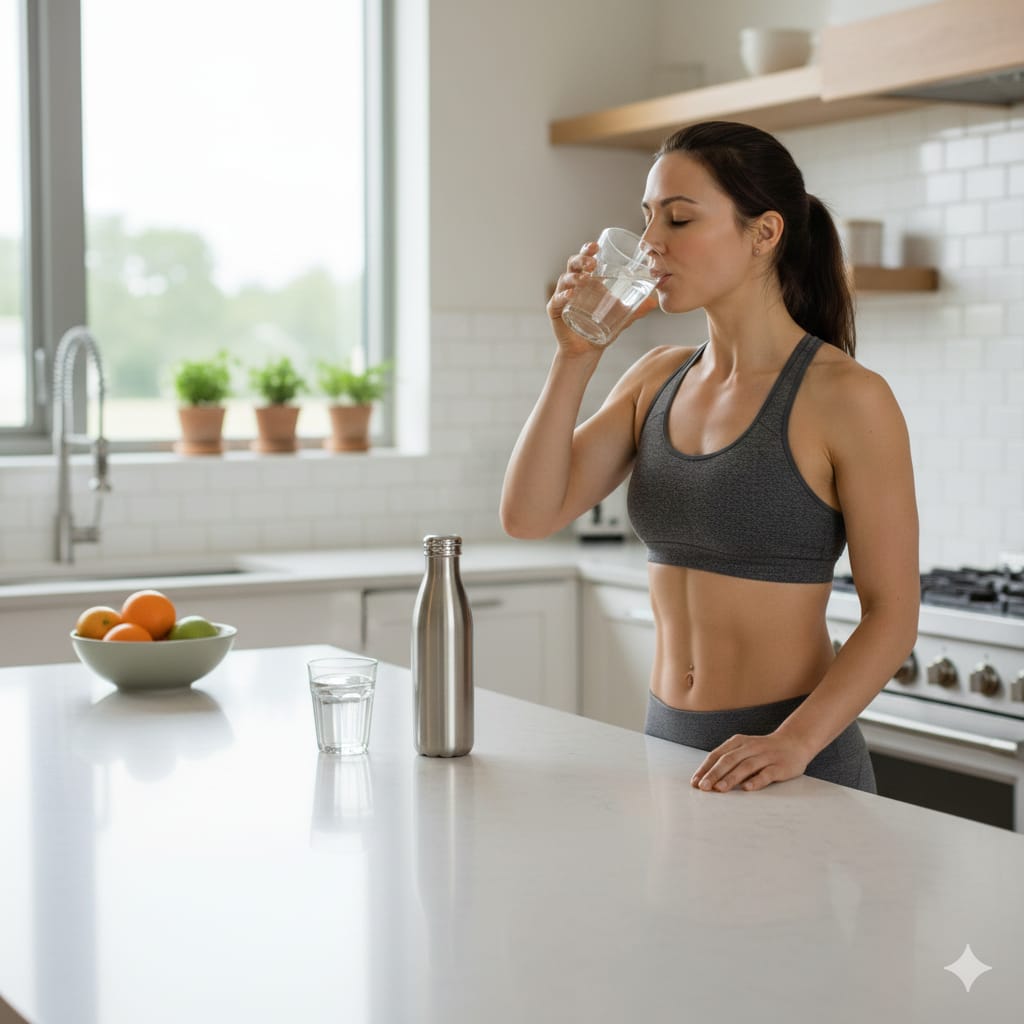
Stress and cortisol
Alcohol and abdomen
Strategies to reduce swelling
Simple weekly plan
Related Articles
Professional Post-Peeling Routine: What to Do and What Not to Do to Avoid Stains
Professional beautician specialized in rejuvenation, facial diagnosis, aesthetic equipment and advanced skin care. Recommendations, guides and products with dermatological support and visible results. Also certified in micropigmentation and massage...

Protocol for combination skins «a perfect balance»
By caring for your skin, you not only enhance your outer beauty, but also nourish your inner well-being. Enjoy self-care and watch your skin bloom over time. Your skin deserves the best! For better care, we offer you this skin protocol...
No Results Found
The page you requested could not be found. Try refining your search, or use the navigation above to locate the post.
Become a certified expert in smart microneedling
Access to my premium course
Learn to master the most advanced facial rejuvenation technique adapted to Latin skins.
subscribe to my list
I only commit to sending you a quality email monthly
Follow us
Follow me on all my social networks