

Written by Delia Brows Studio
 Professional beautician specialized in rejuvenation, facial diagnosis, aesthetic equipment and advanced skin care. Recommendations, guides and products with backup dermatological and visible results. Also certified in micropigmentation and therapeutic massage, integrating well-being, advanced equipment and comprehensive aesthetics.
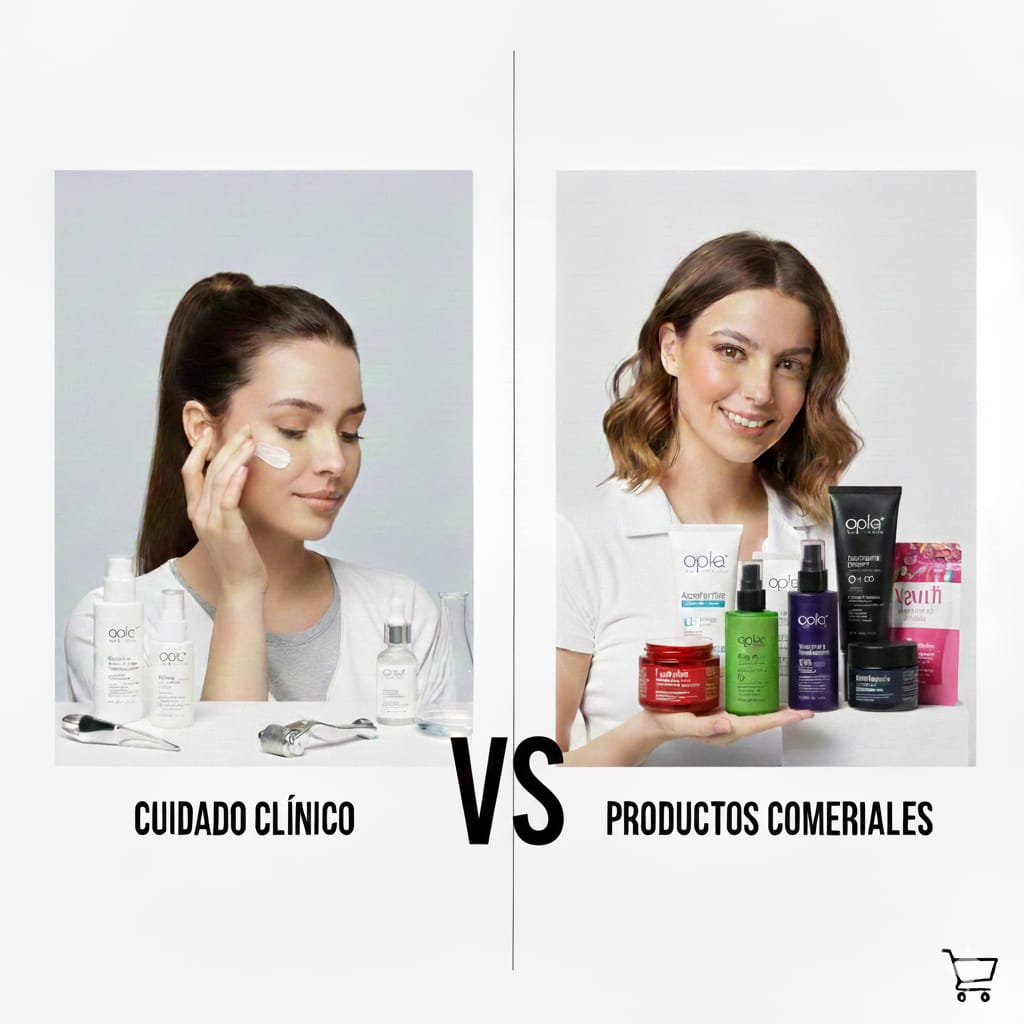
The world of skin care is vast and often confusing. We walked through the corridors of pharmacies and department stores, bombarded by promises of eternal youth and impeccable skin, while, on the other hand, we hear about «clinical» or «medical» skin care regimens offered in dermatological clinics.
What is the real difference between these two universes?
And how can you, as a consumer, make the most informed decision for the health and appearance of your skin?
This article will break down the fundamental distinctions between clinical skin care (also known as professional or cosmeceutical grade) and commercial products (over-the-counter or over-the-counter), based on proven scientific and clinical evidence supporting the effectiveness of each category.
The Science Behind the Formula: Concentration and Bioavailability
The most significant and least visible difference lies in the formulation and concentration of the active ingredients.
1. Commercial Products (Open Sale – OTC)
Commercial products are designed to be safe for a massive audience.
* Low concentration of assets: To minimize the risk of skin irritation or adverse reactions, the concentration of key active ingredients (such as retinoids, vitamin C, peptides, or alpha/beta hydroxy acids) is usually low or testimonial. In many cases, the amount is not enough to induce significant biological change in the deep layers of the skin.
* Focus on cosmetics: Much of the formulation is intended to make the product feel pleasant, smell good and have an attractive texture. This implies the use of excipients (bases, emollients, perfumes, dyes) that do not necessarily contribute to the health of the skin.
* regulation: These products are mainly regulated as cosmetics. In most regions, this means that the manufacturer does not need to clinically demonstrate the effectiveness of its claims before going on the market, only general safety.
2. Clinical skin care (professional or cosmeceutical grade)
These products are located at the intersection between a cosmetic and a drug (hence the term cosmeceutical). They are designed to be prescribed, dispensed or recommended under the supervision of a skin care professional (dermatologist, medical beautician).
* High concentration and power: They contain significantly higher concentrations of active ingredients, which have been clinically tested to be therapeutic. These concentrations are designed to directly interact with the skin's cell function, promoting collagen production, accelerating cell renewal or effectively neutralizing free radicals.
* Advanced delivery systems (bioavailability): High concentration alone is not enough. Clinical products invest heavily in delivery technology (such as liposomes, microencapsulation, or nanotechnology). These systems protect the asset from degradation and ensure it penetrates into the deeper layers of the epidermis and dermis (where the real change occurs) in the most effective molecular form (high bioavailability).
* Regulation and clinical evidence: Cosmeceutical brands often invest in peer-reviewed clinical trials and in vivo and in vitro tests to validate their claims. Although still technically cosmetic, its test and efficacy standard is much more like a drug.
The goal of treatment: maintenance vs. amendment
The fundamental purpose of each type of product is also a key to understanding the difference.
1. Commercial products: light maintenance and prevention
The main objective is to keep the skin hydrated, clean the surface and offer basic sun protection.
* Surface Focus: They are excellent for daily care, superficial cleaning, wetting of the corneal layer (the most external) and to meet the needs of young skin without chronic problems.
* Result: They offer a temporary improvement in appearance (hydration, softness) but have a limited ability to reverse or correct problems such as deep wrinkles, established hyperpigmentation (melasma), persistent acne, or severe damage photo.
2. Clinical Skin Care: Correction and Transformation
The goal is to treat, correct and transform the biology of the skin at the cellular level.
* Cellular and therapeutic approach: They are designed to work at the root of dermatological problems. For example, a clinical grade retinol not only helps exfoliation, but has been shown to modulate skin genes to increase production of collagen, elastin and hyaluronic acid, actively reversing the signs of aging.
* outcome: They seek a lasting and measurable improvement in the texture, tone, elasticity and clarity of the skin, being the basis for the treatment of medical conditions such as acne, rosacea, melasma and intrinsic aging.
The element of customization and professional support
Another crucial factor is the sales channel and professional supervision.
1. Commercial Products: Self Selection
* universal access: Available at any point of sale, allowing the consumer to choose for himself.
* lack of customization: The formulas are one size fits all (or at most, divided into broad categories like «dry skin» or «oily skin»). There is no professional analysis of the unique needs of the individual's skin, which often leads to the purchase of inappropriate products or to the combination of ingredients that can be counterproductive.
* Risk of bad choice: As there is no expert guide, consumers often get carried away by marketing rather than science, investing in ineffective products for their real concerns.
2. Clinical Skin Care: Prescription and Counseling
* Exclusive (or controlled) sale: They are usually sold only through dermatology clinics, aesthetic medicine clinics, medical spas or through online platforms controlled by health professionals.
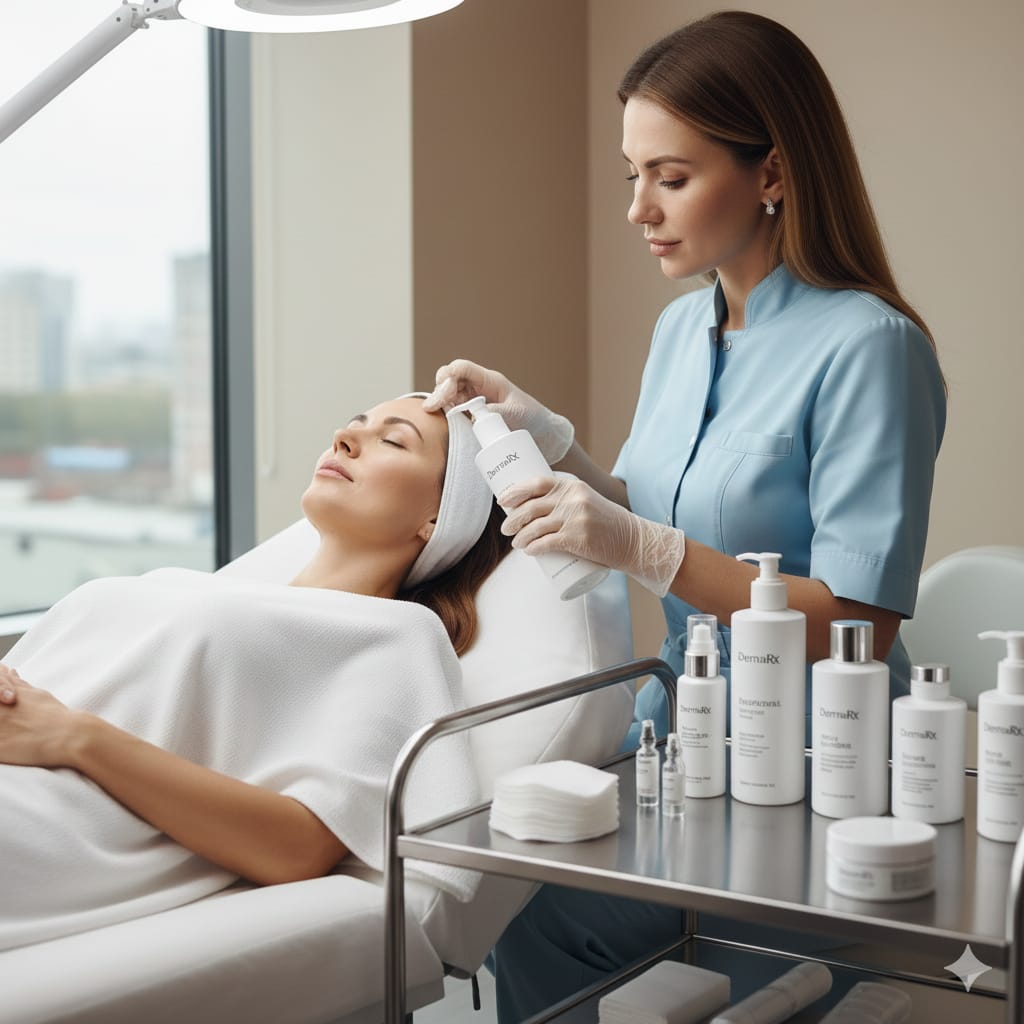
* Custom Diagnostic: The professional (dermatologist or beautician) makes an exhaustive diagnosis of the skin and the specific concerns of the patient. Based on this analysis, a clinically proven product protocol is recommended and concentrations are adjusted according to skin tolerance.
* Supervision and protocol: Continuous supervision is vital. Powerful ingredients require a gradual introduction and monitoring to manage possible side effects (such as retination or redness). The professional guides the patient through the process to guarantee the best results without compromising the skin barrier.
Cost consideration: Price vs. value
At first glance, clinical products often have a higher unit cost, but the perspective of value changes when we consider science.
1. Commercial products: lower initial investment
* The deception of the price: Although the price is lower, the low concentration of assets means that the consumer may be buying mainly water and pleasant excipients. This often results in a vicious circle of testing many products without real results.
2. Clinical Skin Care: Investment in Results
* PRICE JUSTIFICATION: The cost reflects investment in research and development (R&D), high purity active ingredients and proprietary delivery systems that ensure effectiveness.
* cost-effectiveness ratio: Due to its power, a well-structured clinical routine often requires fewer steps and products to achieve dramatic results. It is an investment in the correction that in the long term may be more cost-effective than the accumulated expense in commercial products that do not work.
Conclusion based on clinical evidence
The real difference between clinical skin care and commercial products is reduced to power, penetration and purpose.
If your goal is simply to clean, hydrate and protect your skin without specific worries (youthful, healthy skin), commercial products from trusted brands can be perfectly suitable for basic maintenance.
However, if your goals are correcting, transforming, and reversing signs of damage (wrinkles, sun damage, melasma, persistent acne, loss of firmness), clinical evidence indicates that you will need the power and advanced delivery systems that are only available in clinical or cosmeceutical grade formulations.
The smartest decision is to always start with a consultation with a certified dermatologist or professional. They can accurately diagnose the biological needs of your skin and create a custom protocol that combines the science of clinical formulations with expert diagnosis, ensuring that every product you apply is working effectively to achieve long-lasting skin health and a real, science-based beauty.
The skin is the largest organ in your body; investing in your health with products based on clinical evidence is investing in your well-being long-term
Related Articles
Professional Post-Peeling Routine: What to Do and What Not to Do to Avoid Stains
Professional beautician specialized in rejuvenation, facial diagnosis, aesthetic equipment and advanced skin care. Recommendations, guides and products with dermatological support and visible results. Also certified in micropigmentation and massage...

Protocol for combination skins «a perfect balance»
By caring for your skin, you not only enhance your outer beauty, but also nourish your inner well-being. Enjoy self-care and watch your skin bloom over time. Your skin deserves the best! For better care, we offer you this skin protocol...
Professional Post-Peeling Routine: What to Do and What Not to Do to Avoid Stains
Professional beautician specialized in rejuvenation, facial diagnosis, aesthetic equipment and advanced skin care. Recommendations, guides and products with dermatological support and visible results. Also certified in micropigmentation and massage...
Become a certified expert in smart microneedling
Access to my premium course
Learn to master the most advanced facial rejuvenation technique adapted to Latin skins.
subscribe to my list
I only commit to sending you a quality email monthly
Follow us
Follow me on all my social networks